

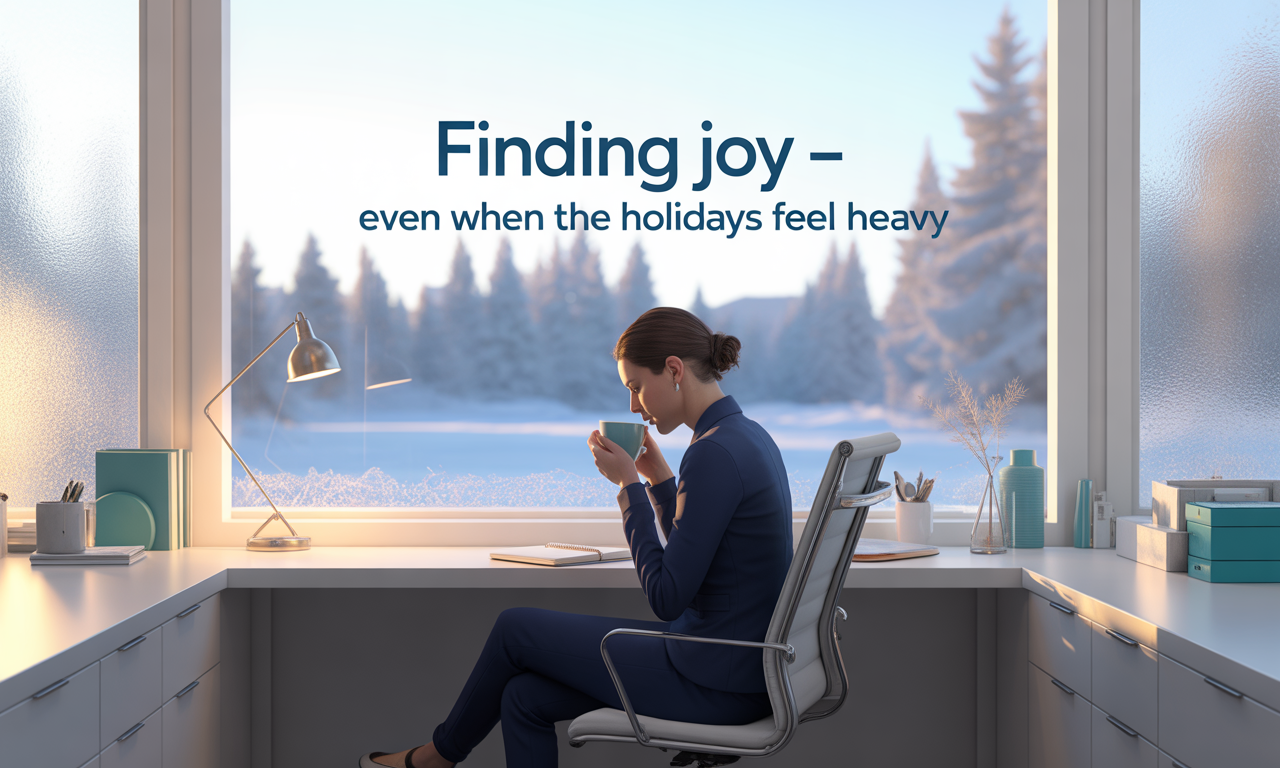
Finding Joy — Even When the Holidays Feel Heavy
Intermediate | December 4, 2025
✨ 혼자서 기사를 소리 내어 읽거나 튜터를 따라 각 단락을 반복해서 읽으세요. 레벨...
When Happiness Comes With Pressure — Holiday Depression Tips
The holidays are often described as the “Season of Joy,” but for many people they can feel heavy instead of happy. These holiday depression tips matter because mental health experts, including those at SAMHSA, note that anxiety, loneliness, and emotional strain often increase at the end of the year—especially when everyone feels pressure to appear cheerful.
Short winter days can also affect mood. Reduced sunlight impacts energy levels and sleep cycles, and some people experience Seasonal Affective Disorder (SAD), a form of depression linked to limited daylight. The National Institute of Mental Health explains that this shift can make the season feel even more difficult. These holiday depression tips help readers understand why the season can feel overwhelming and what they can do to protect their emotional well-being.
Why the Holidays Can Hurt
Many people imagine warm family gatherings and peaceful celebrations, but real life doesn’t always match those expectations. When plans fall short, disappointment appears quickly. Financial stress from travel, gifts, and social events can also make the season feel overwhelming. Health organizations like UC Davis Health point out that these reactions are normal and encourage people to treat themselves with kindness.
Social pressure adds another layer. Saying yes to every invitation may seem polite, but it can drain energy fast. For people who live far from family or have limited social support, the season can also intensify feelings of isolation.
Simple Steps to Protect Your Mental Health — Holiday Depression Tips
One helpful step is simply acknowledging how you feel. Experts at SAMHSA note that accepting your emotions—without forcing positivity—reduces internal pressure. Setting boundaries also matters. Choosing fewer, more meaningful events can create more space to rest and recharge.
Light exercise, short walks, and regular sleep routines help stabilize mood, according to winter wellness guidance from Brown Health. Staying connected, even through a quick call or message, can ease feelings of loneliness and remind you that support is available.
Why This Matters
Holiday stress is far more common than people think. Surveys shared by HealthPartners show that more than one‑third of adults experience higher stress levels during this season, and many notice their symptoms of depression or anxiety increase. Understanding this reality—and taking small, steady steps to care for yourself—can make the season more manageable. Even if the holidays aren’t perfect, they can still include moments of comfort, connection, and peace.
Vocabulary
- Expectation (noun) – a belief about how things should be.
Example: “My expectations for the holiday party were high, but I tried to stay flexible.” - Overwhelm (verb) – to feel too much emotion or stress.
Example: “With so many invites and family visits, I began to feel overwhelmed.” - Guilt (noun) – feeling bad because you think you did something wrong or failed expectations.
Example: “She felt guilt for not buying gifts for everyone.” - Pressure (noun) – mental stress caused by demands or expectations.
Example: “The holiday pressure made him anxious about spending money.” - Boundaries (noun) – personal limits on what you accept or allow.
Example: “I set boundaries by declining events that felt too stressful.” - Self-care (noun) – actions you take to maintain your own well-being.
Example: “A short walk and quiet time were part of her self-care routine.” - Isolation (noun) – feeling alone or disconnected from others.
Example: “Long evenings without social contact increased his sense of isolation.” - Mood (noun) – your emotional state.
Example: “Shorter days affected her mood and energy.” - Routine (noun) – a regular, repeated set of actions or habits.
Example: “Having a bedtime routine helped stabilize his sleep and mood.” - Trigger (noun) – something that causes a strong emotional reaction.
Example: “Seeing holiday ads on TV was a trigger for her sadness.”
Discussion Questions (About the Article)
- Why might the holidays make some people feel more stressed or depressed than at other times of the year?
- Which of the suggested coping strategies do you think would help you the most, and why?
- Do you agree that it’s okay to say “no” to holiday events? Why or why not?
- How might setting boundaries look different for different people during the holidays?
- Why is acknowledging your feelings an important first step when experiencing holiday-related stress or sadness?
Discussion Questions (About the Topic)
- Have you ever experienced “holiday blues”? What helped you manage those feelings?
- What part of the holiday season do you enjoy the most, and why?
- Do you think social expectations influence how people feel during the holidays? Explain your thoughts.
- How do cultural traditions shape people’s emotional experiences during this season?
- What are some healthy habits that help you maintain mental balance throughout the year?
Related Idiom
“Take it one day at a time” – This phrase means to focus on today instead of worrying about everything at once. It helps when life feels stressful or overwhelming.
Example: “The holidays were stressful, so I reminded myself to take it one day at a time.”
📢 Want more tips like this? 👉 Sign up for the All About English Mastery Newsletter!
Want to finally Master English but don’t have the time? Mastering English for Busy Professionals is the course for you! Check it out now!
Follow our YouTube Channel @All_About_English for more great insights and tips.
This article was inspired by:
SAMHSA, UC Davis Health, National Institute of Mental Health, HealthPartners, and Brown Health (https://www.brownhealth.org)


 한국어
한국어  English