

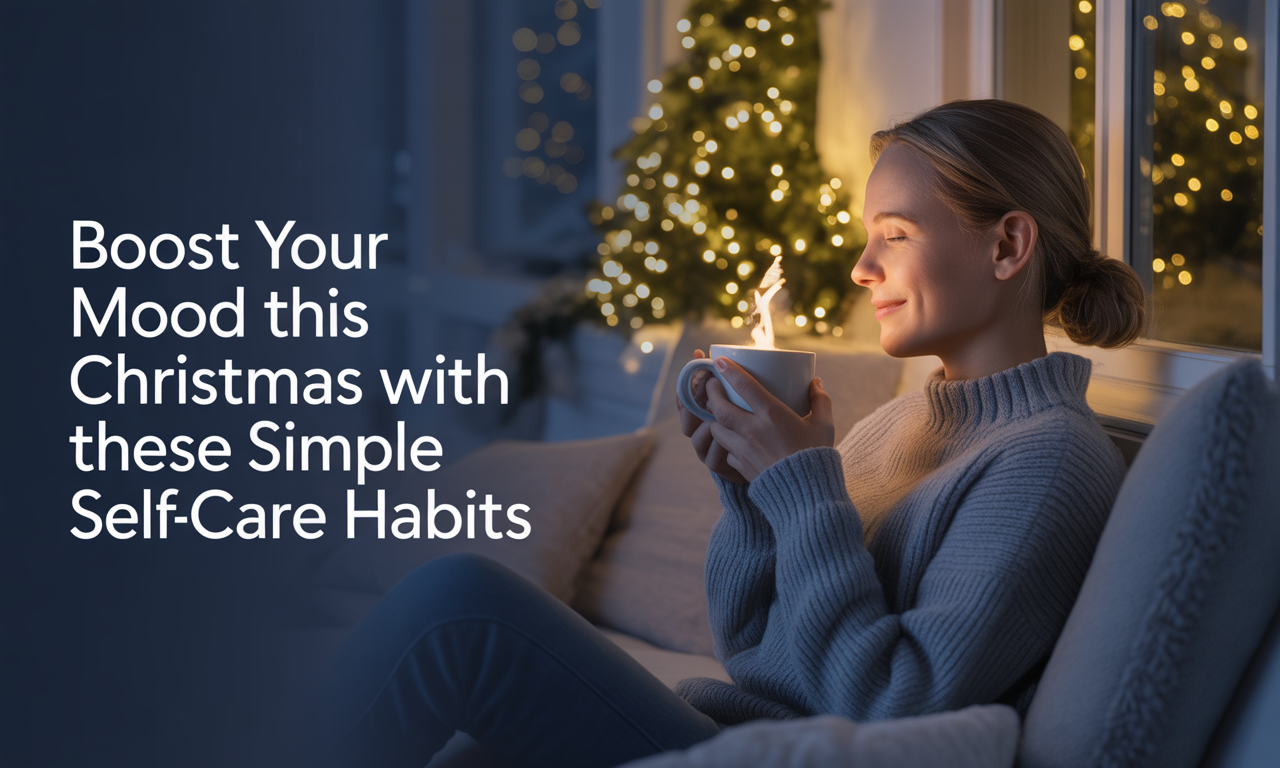
Boost Your Mood This Christmas with These Simple Self-Care Habits
Beginner | December 25, 2025
✨ 혼자서 기사를 소리 내어 읽거나 튜터를 따라 각 단락을 반복해서 읽으세요. 레벨...
Why It’s Hard to Boost Your Mood This Christmas
Christmas is often described as a joyful season, but for many people it can also feel overwhelming. Busy schedules, travel plans, family expectations, and financial pressure can all add stress. According to Fox News, experts say it’s normal to feel tired or emotionally drained during this time of year.
Even positive events can become exhausting when there is too much happening at once. That’s why many experts suggest focusing on small habits that protect your energy instead of trying to do everything perfectly.
Start with Rest and Sleep
You Don’t Need to Do Everything
One of the most important self-care habits during Christmas is getting enough rest. Late nights, parties, and travel can easily reduce sleep. When sleep gets messy, mood often follows. The APA also notes that physical activity and good sleep support well-being during stressful seasons.
Choosing to leave an event early or skip one activity can sometimes be the healthiest choice.
Use Gentle Movement to Lift Your Mood
Small Movement, Real Benefits
Exercise does not need to be intense to help. Short walks, light stretching, or gentle movement can support mental health. Experts often explain that movement helps release chemicals in the brain that improve mood and reduce stress.
A short walk outside—even for ten minutes—can help clear your mind during a busy holiday day, and Fox News notes that a quick walk can act as a natural mood booster. (Fox News)
Be Careful with Social Media and News
Less Scrolling, More Calm
Spending too much time online can increase comparison and stress, especially during the holidays. Seeing other people’s “perfect” celebrations may make your own feel smaller.
The APA encourages families to watch for stress triggers (including media and advertising) and to build in healthy routines where possible.
Choose Simple, Meaningful Connections
Quality Over Quantity
You don’t need large gatherings to feel connected. A quiet conversation, a shared meal, or a phone call can be enough. Choosing lower-pressure social time can help you enjoy the season without emotional exhaustion.
Another helpful idea is doing something small for someone else. Fox News points out that helping others—like donating to a toy or clothing drive—can lift your mood and bring back a sense of holiday spirit. (Fox News)
A Simple Takeaway
Learning how to boost your mood this Christmas doesn’t require major changes. Small habits—rest, light movement, fewer screens, and meaningful connection—can make the season feel calmer and more balanced.
Vocabulary
- Overwhelming (adjective) – feeling like something is too much to handle.
Example: The holiday schedule felt overwhelming this year. - Fatigue (noun) – extreme tiredness.
Example: Travel fatigue can affect your mood. - Pressure (noun) – stress caused by expectations or demands.
Example: Financial pressure increases during the holidays. - Habit (noun) – something you do regularly.
Example: Going for a walk became a healthy habit. - Gentle (adjective) – soft and not intense.
Example: Gentle exercise is good for mental health. - Limit (verb) – to control or reduce something.
Example: She decided to limit social media use. - Connection (noun) – a relationship or feeling of closeness.
Example: Simple conversations create strong connection. - Balance (noun) – a healthy mix of activities or feelings.
Example: Self-care helps maintain emotional balance. - Reflect (verb) – to think carefully about something.
Example: He took time to reflect on the year. - Mood (noun) – how someone feels emotionally.
Example: Good sleep can improve your mood.
Discussion Questions (About the Article)
- Why can Christmas feel stressful for some people?
- Which self-care habit in the article feels easiest to try?
- How does sleep affect mood during busy times?
- Why can social media increase holiday stress?
- How can small habits make a big difference?
Discussion Questions (About the Topic)
- What helps you relax during busy seasons?
- Do you prefer quiet time or social time during holidays?
- How do you usually manage stress?
- What is one habit you want to improve next year?
- How can workplaces support mental health during holidays?
Related Idiom / Phrase
“Take a step back” – to pause and reduce pressure.
Example: During the holidays, it helps to take a step back and rest.
📢 Want more news-based English practice like this? 👉 Sign up for the All About English Mastery Newsletter!
https://allaboutenglishmastery.com/newsletter
Want to finally master English but don’t have the time? Mastering English for Busy Professionals is the course for you!
Follow our YouTube Channel @All_About_English for more great insights and tips.
This article was inspired by: Fox News, with supporting guidance from the APA and INTEGRIS Health.


 한국어
한국어  English